

Welcome to the Cosmo Bio USA Blog
How Your Cell Isolation Method Impacts Purity, Phenotype, and Downstream Data—and What You Can Do About It
Isolating a cell population is rarely the finish line in a research project. It's the starting point for everything that follows: functional assays, expansion protocols, and therapeutic development, along with the data that eventually ends up in a manuscript or grant renewal.
MHC Tetramers: Precision Tools for Antigen-Specific T Cell Detection
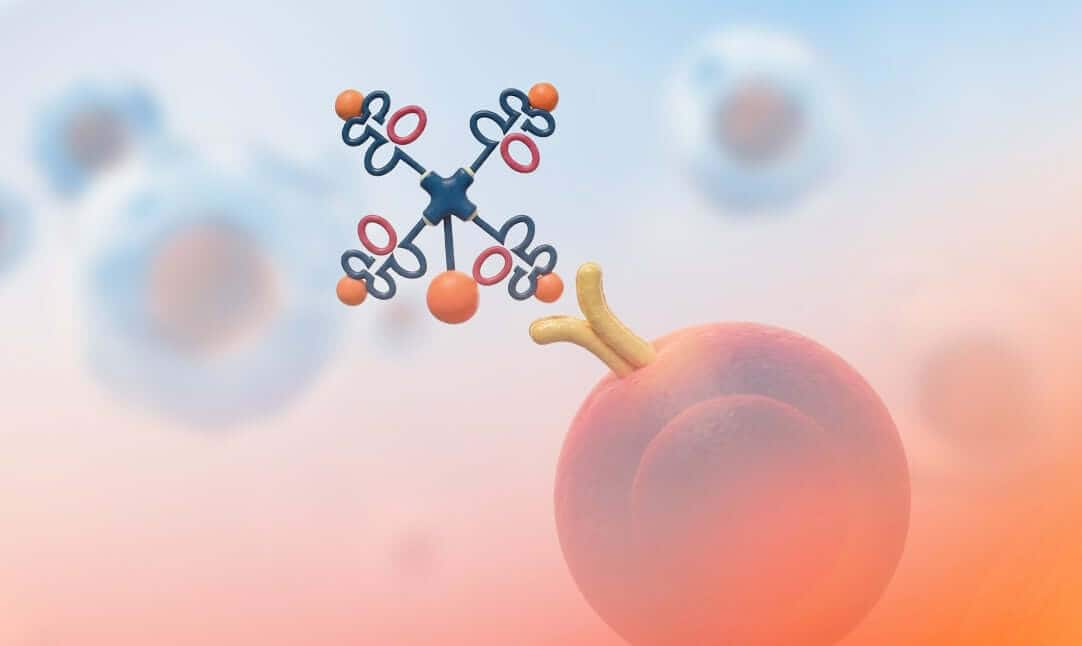
Antigen-specific T cells are central to nearly every meaningful immune response. Detecting them, however, particularly at low frequencies in complex biological... more »
Exosomes & Extracellular Vesicles
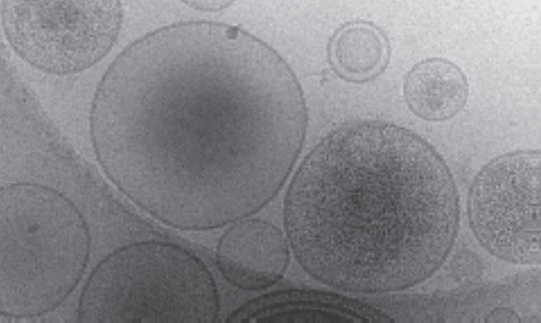
The origins of exosome research date back to when small vesicles, approximately 100 nm in size, secreted by cells were first named "exosomes." Initially, exosomes were believed to be a mechanism for eliminating cellular waste1), and were not thought to play an active role in biological processes.
Cell-Free Protein Synthesis: A Faster, More Flexible Alternative to Traditional Expression
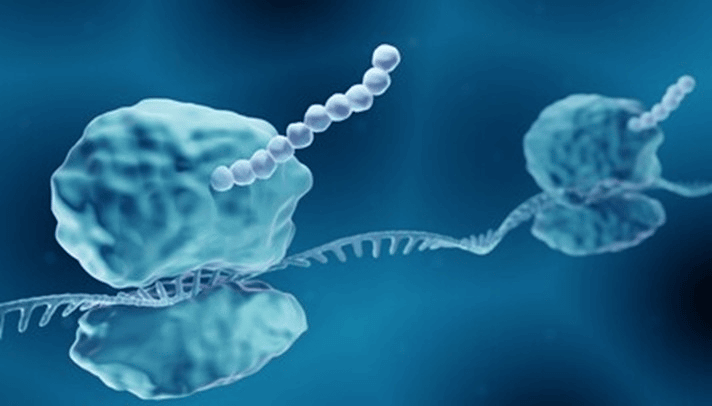
If you've ever waited two weeks for a protein that never expressed, you already understand the fundamental limitations of traditional cell-based... more »
Atelocollagen Cuts Epidermal Model Culture Time in Half
The 3Rs principle (Reduction, Refinement, Replacement) in animal testing, which is universally accepted by researchers, was proposed by Russel and Burch... more »
20 Ways to Combine Atelocollagen for Enhanced Biocompatibility
When a high-concentration atelocollagen solution is needed for applications such as scaffold preparation, coating, cell transplantation, or the sustained... more »
CARD HyperOva Products vs Traditional Rodent Hyperovulation: A Better Way to Get More Eggs
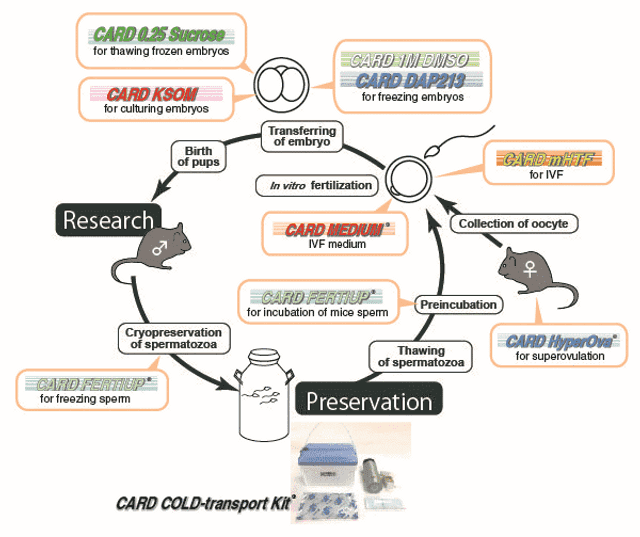
For decades, researchers working with rodent models have relied on the traditional PMSG-hCG method to induce superovulation. While this approach has been... more »
Why Afamin Wnt3a is a Game-Changer for Organoid Culture
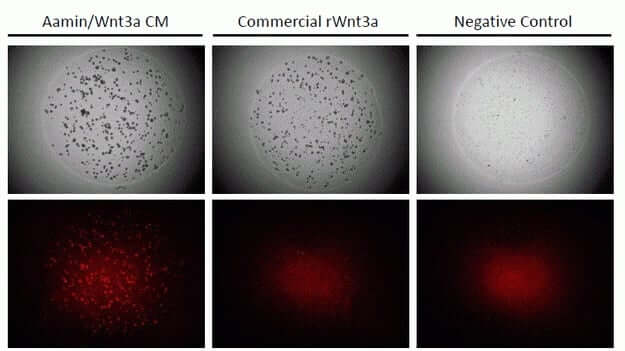
Organoid research has revolutionized our understanding of human biology, disease mechanisms, and drug discovery. These three-dimensional tissue structures... more »